
Case Study
Choreograf Simplifying Industrial-Grade Complexity
How do you safely move a Fortune 500 energy giant from old, fragmented systems to a unified, cloud-based remote operations platform? You do not just design software—you create a digital ecosystem that helps field engineers execute high-stakes oilfield logging jobs 20x faster.
As the Principal Product Designer, I spearheaded the product design process from day zero through production launch. I proved that a human-centered approach can make an intense, high-risk industrial environment safe, simple, and highly efficient.
Role: Principal Product Designer
Timeline: 2020 – 2024 (Launched globally in 2024)
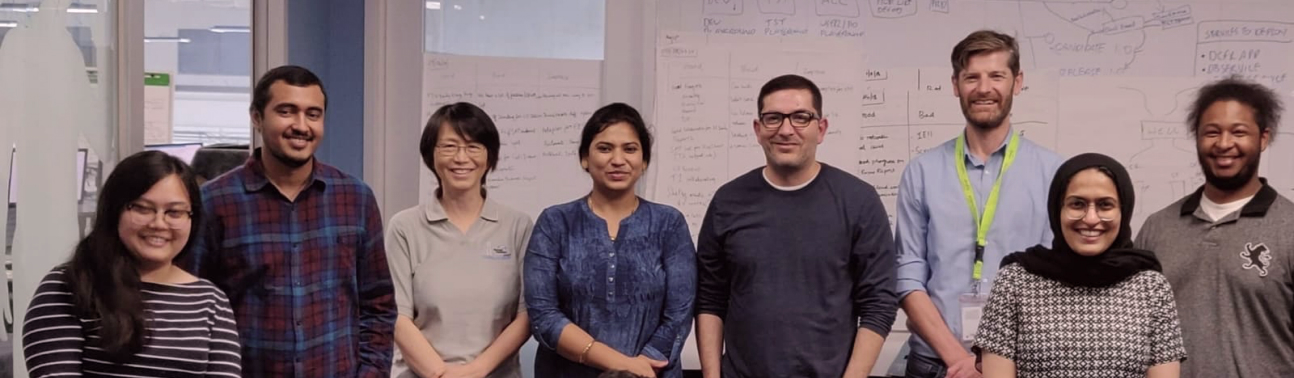
The Team: Scaled from an initial core of 4 to a cross-functional powerhouse of over 50 people.
The Mission: Replace a 20-year-old landscape of disconnected, hardware-dependent tools (like ECLIPS and Warrior) with a single, predictive digital solution.
“I moved to Houston, TX and designed seven enterprise applications for Baker Hughes - Choreograf being one of them.”
Before Choreograph, wireline operations were a massive logistical friction point. Legacy tools relied heavily on manual data entry, local spreadsheets, and siloed applications. If a downhole logging tool got stuck deep in a well, engineers could only react after the problem happened.
The core corporate challenge was managing two completely different types of engineering priorities:
The Challenge: Two Speeds of Innovation
The Digital Workflow: Building a fast, cloud-native planning environment to monitor live jobs remotely.
Physical Machine Control: Safely connecting that software to safety-critical, high-risk physical machinery on the rig—like an automated winch system and explosive downhole cutters.
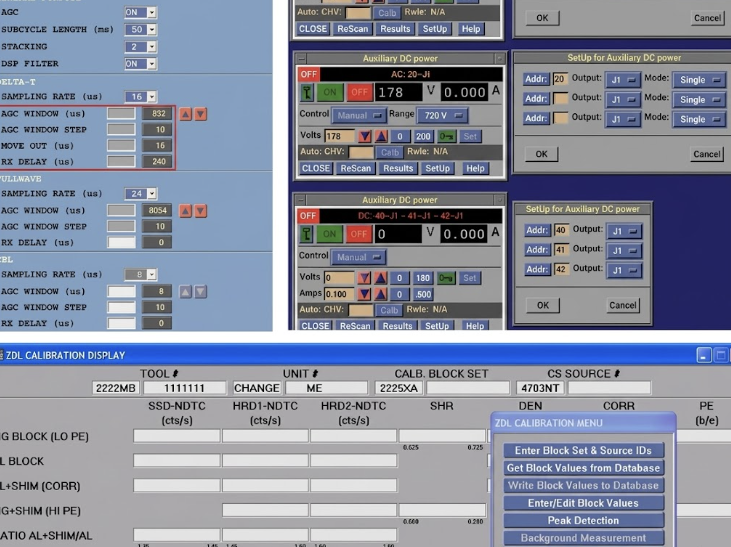
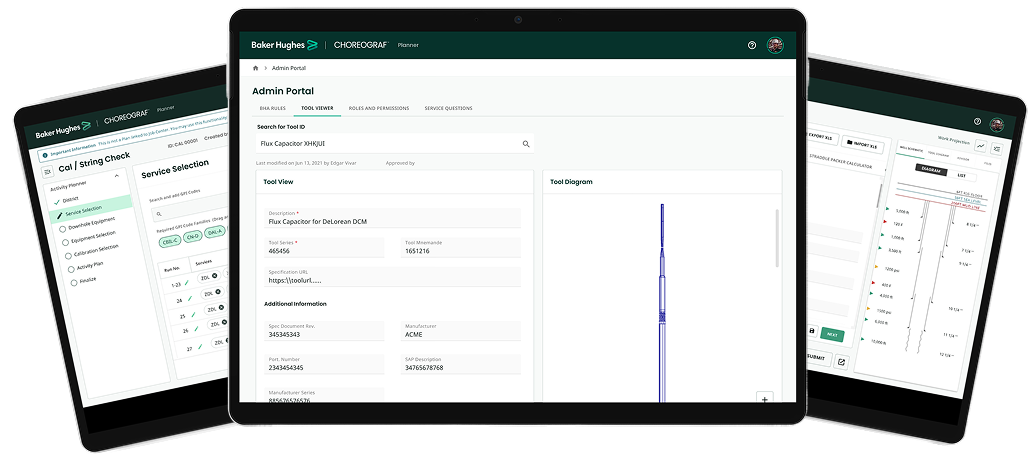
We had to back-engineer multiple legacy applications and dashboards which had to to be reimagined into a new web ecosystem.
About Baker Hughes and its mission
Think of Baker Hughes as the engine room of the global energy world. Operating in over 120 countries, they are one of the massive forces keeping our lights on, our homes heated, and global industries moving every single day. While they started out more than a century ago by inventing the drilling technology that built the modern oil industry, today they are responsible for something much bigger: keeping the world's energy supply steady and reliable while completely reinventing how we power our lives.
What makes them truly crucial right now is their role as a bridge to a cleaner future. Instead of just focusing on traditional oil and gas, they are pouring engineering power into massive environmental solutions—like trapping carbon emissions before they hit the atmosphere, pioneering hydrogen energy, and using smart tech to stop harmful methane leaks in real-time. By upgrading heavy industry with these advanced technologies, they are making everyday energy drastically cleaner while building the practical, large-scale systems we need to fight climate change.
The Process: Strategy, Critical Thinking, and Execution
Discovery & Strategic Alignment
In deep-tech software, getting lost in hyper-technical details early on stalls momentum. The project started with massive amounts of technical documentation that threatened to slow down the design phase.
I realized that trying to understand every technical engineering detail from day one was a trap. I consciously shifted the focus from engineering details to user goals.
I organized and facilitated four deep-dive alignment workshops with Product Owners and five Subject Matter Experts (SMEs). To challenge internal corporate assumptions with raw operational realities, I personally conducted manyinterviews with target field users. I cross-referenced corporate goals, ensuring the entire team aligned on the actual user lifecycle.
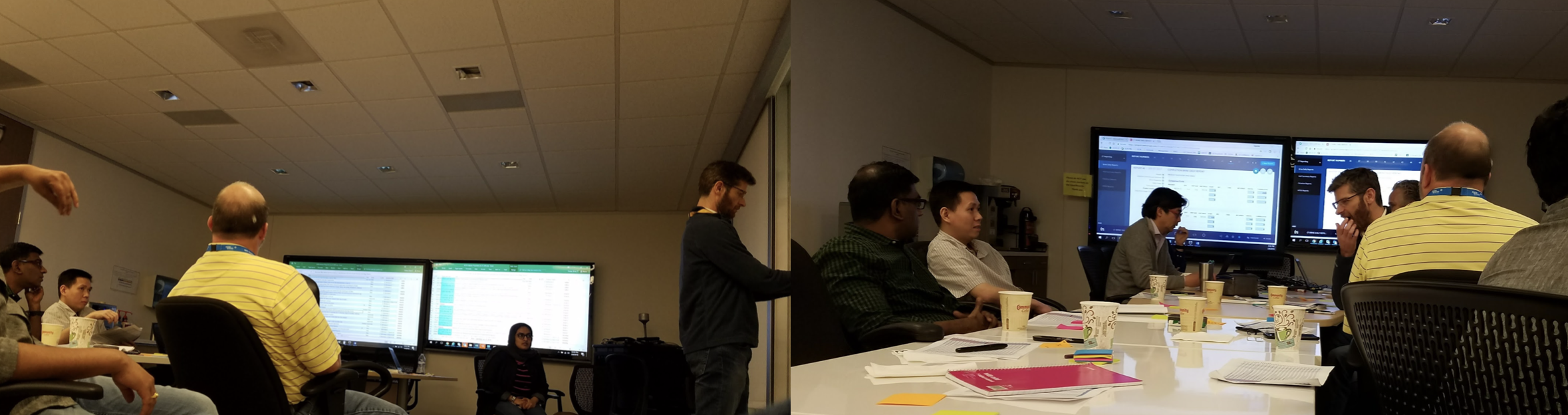
Conducting research in high-risk, remote oilfield environments presents massive logistical and safety barriers—you can't easily drop an entire UX team onto an active offshore rig. We had to be highly pragmatic and use a hybrid research model.
First, we leveraged a network of 'SMEs' (Subject Matter Experts)—former field engineers who had recently transitioned into product or training roles internally. They acted as our day-to-day proxy users for early concept validation.
We learned a lot a bout the context. For instance, in high-stakes industrial environments, standard confirmation pop-ups fail because muscle memory leads to accidental clicks. To prevent catastrophic field errors, the system enforces safety through two core design pillars:
Strict Contextual States: We completely separate "Planning" from "Execution" modes. During active operations (like handling explosives), the UI strips away non-essential data to prevent cognitive overload and maintain absolute focus.
Engineered Friction: Irreversible actions require physical-digital alignment, such as a precision "hold-and-slide" interaction rather than a simple click. Furthermore, the UI automatically locks out critical controls if real-time hardware telemetry detects unsafe physical conditions.
The Philosophy: Design for the worst-case scenario—assuming the operator is exhausted, distracted, and under extreme pressure—so the software acts as an unyielding safety guardrail.
Information Architecture & Problem Solving
The platform had to consolidate features from multiple disconnected legacy tools into one interface, creating a high risk of cognitive overload for the engineers.
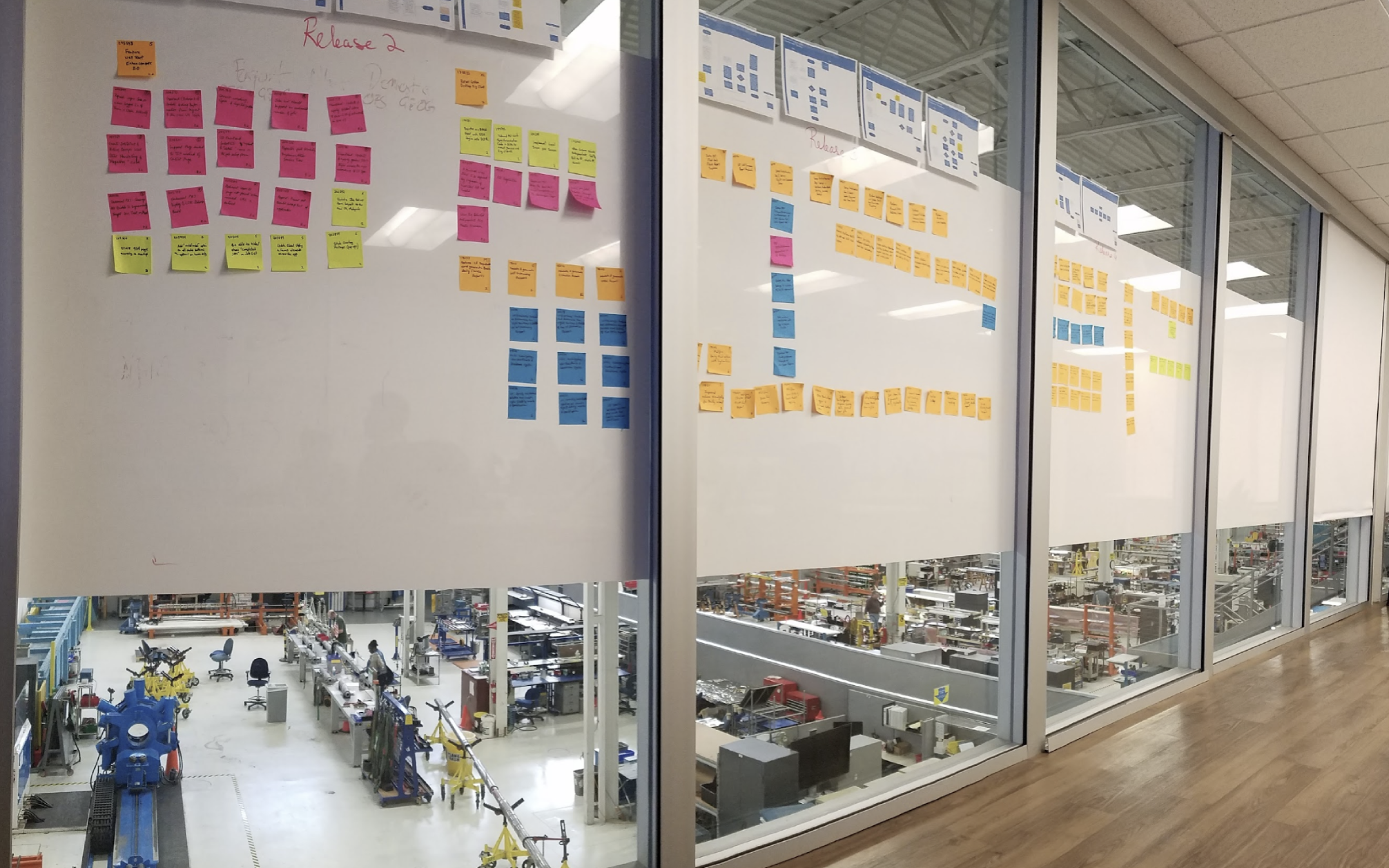
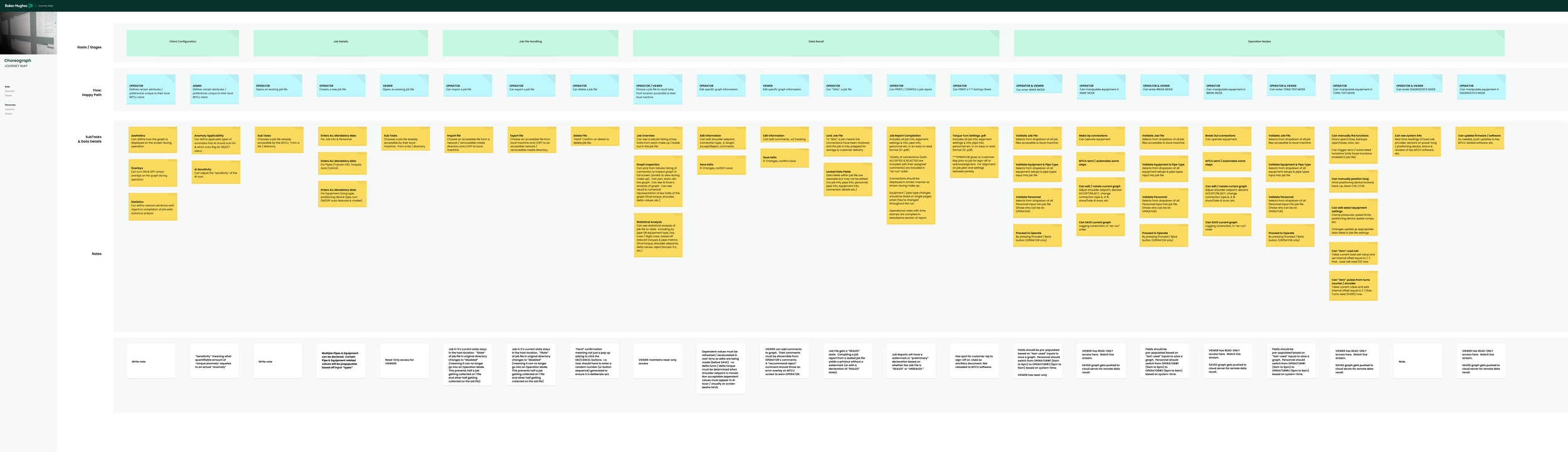
I created a comprehensive feature map to organize the messy technical requirements into an explicit, structured hierarchy. I systematically categorized features based on user impact and technical feasibility into Essential, Important, Nice to Have, and Not Needed.
I grouped these features into clearly defined Epics and Product Backlog Items (PBIs). This acted as the structural blueprint for the product, showing the Scrum team exactly what needed to be designed and built first to deliver immediate business value.
Fast Prototyping & Cross-Functional Validation
I led collaborative sketching and wireframing sessions with the core team. In parallel, I began building a comprehensive library of reusable Figma components from scratch.
By using an atomic design approach, I was able to scale this component library into a full, mature Design System. This allowed me to move from a raw sketch to a mid-fidelity clickable prototype extremely quickly.
We took these prototypes directly into continuous testing sessions with actual field operators. Testing early and iterating fast allowed us to optimize complex data layouts for high-stress rig conditions before engineering spent expensive development hours hard-coding the interface.
Clean Developer Handoffs & Scaling
Large enterprise applications are incredibly costly to refactor. Early on, some frontend styles were being hard-coded by developers because our handoff documentation wasn't detailed enough for pixel-perfect implementation.
The System Architecture: Built a tokenized token architecture (primitives to semantic tokens) that perfectly mapped Figma variables to React components. This allowed the system to support extreme environmental adaptations—such as a High-Contrast Dark Mode designed specifically for high-glare oilfield touchscreens.
The Handoff Paradigm: Shifted from static design delivery to an automated code-component model. Every production component was mapped directly to a shared Storybook library. Designers and engineers shared a single source of truth, utilizing exact slot layouts and state properties.
System Governance: Established a strict "contribution model" where feature teams could propose new global patterns. These were reviewed weekly by a core design-system guild to prevent pattern fragmentation across the seven applications.
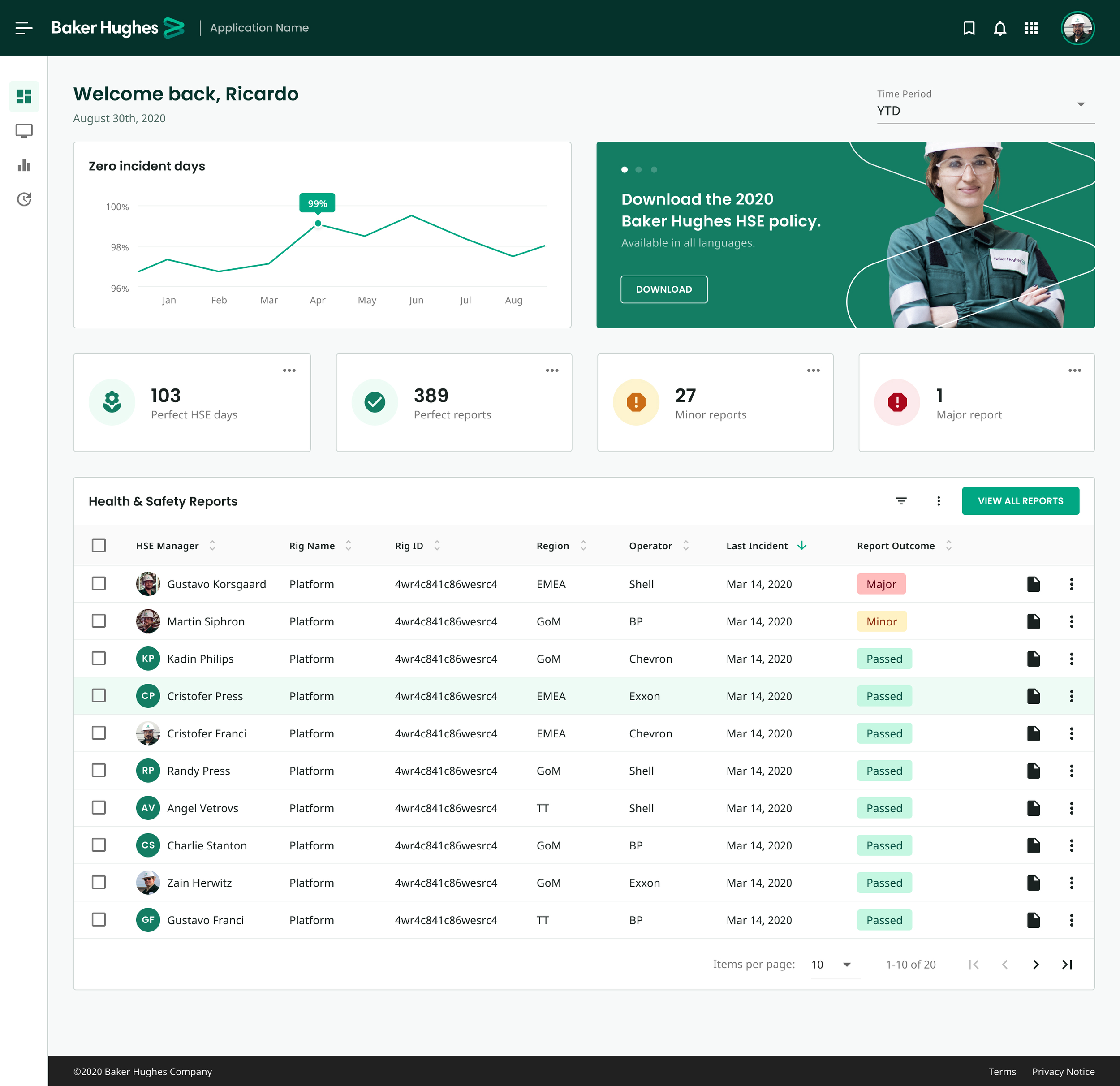
Coreograf transformed the way wireline operations were done in the field.
Not everything was ideal, we had a good deal of trade-offs
For instance, when designing the winch control interface, engineering pushed to display all 40 raw telemetry data points on a single dashboard for compliance. I countered with a progressive disclosure model, showing only 4 critical health metrics by default, with real-time predictive alerts. This design decision directly prevented cognitive overload during critical drilling anomalies.

The Business & Operational Impact
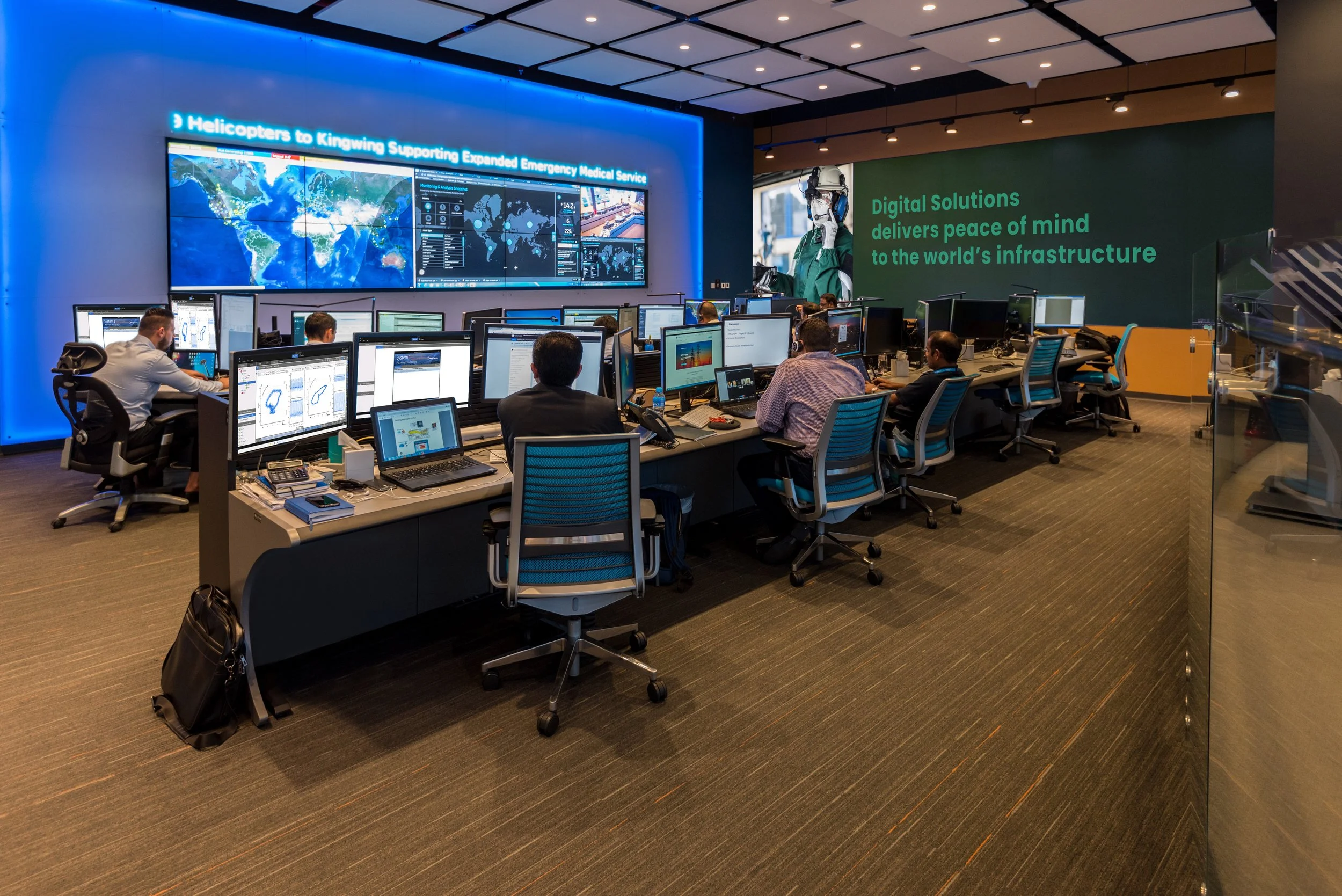
Choreograph successfully launched globally in 2024, converting raw data into a measurable competitive advantage. By unifying pre-job simulations (Job Planner) with live execution data (Job Dashboard) and autonomous winch control systems (WiSE), the platform delivered major business wins:
20x Speed Increase: Drastically cut down deployment preparation and logging job execution time. By replacing manual data entry across 20+ disconnected legacy apps and spreadsheets with a unified predictive data-ingestion engine, we reduced the end-to-end job setup time from 4 hours to 12 minutes.
Smooth User Adoption: Because field operators and engineering teams were integrated directly into my design process from day one, transition friction was incredibly low.
Massive Cost Reductions: Integrating the software with mechanical systems like the Mechanical Pipe Cutter (MPC) allowed operators to make clean cuts on the first try without using explosives. This saved 2 to 4 days of rig time per operation in regions like Vietnam and the North Sea.
Safety & Decarbonization: Real-time remote monitoring ("Log From Anywhere") reduced the number of personnel required on dangerous offshore rigs, lowering human exposure to hazardous areas and reducing carbon emissions via decreased transport logistics.
Personal mark on my team
Mario has a great ability to combine a list of needs and turn brainstorming sessions into functional conceptual workflows.
He is easy to talk to and asks the right questions to dig out the important essence of the needs presented. I was a new Product Manager at the time and to be honest, he spoiled me as my first real interaction with a UX designer.
— Charles ThompsonI got the opportunity to work with Mario for almost 5 years… I would say he is one of the best UX designers I have worked with.
His ownership and commitment to work is really remarkable. He worked on multiple projects at the same time and made sure his tasks are completed at the right time. He is also collaborative with the team and it was really easy for everyone to work with him.
— Maya Madathil | Sr. Manager Software Engineering
I saw Mario at work on several projects at Baker Hughes. Mario is a diligent UX leader who cares deeply about his products.
He combines innovative use of technology and his engaging personality to tease out difficult-to-capture details of requirements from stakeholders at all levels of the business. Over and above his skills in user experience, Mario has a helpful and flexible attitude to his projects. I strongly recommend him to any organization in search of a truly excellent UX design leader.
— Paul Thompson | Digital Delivery Leader